


一百万新西兰人住在国外,那句话也是说给他们听的
分享
本文来自 新西兰中文先驱读者 Arthur Liu 投稿【中英双语】,系个人评论性观点文章。
7月29日,新西兰外交部长温斯顿·彼得斯(Winston Peters)在国会里对绿党议员徐南(Lawrence Xu-Nan)说,滚回你自己的国家。
徐南1997年来新西兰,那年七岁。他在这里长大,是新西兰公民,他的议员席位是选民投票投出来的。他自己的国家,就是这一个。
截至8月10日,十二天过去了。彼得斯没有道歉。总理拉克森(Christopher Luxon)说这番话是种族歧视,也是冒犯,然后让他继续当外交部长。
关于这件事对华人意味着什么,这些天已经有很多人写了。我想说另外两件事。它们跟华人关系不大,跟新西兰关系很大。
第一件:一百万新西兰人住在国外
新西兰人习惯把移民当成"别人搬进来"。住在这里的人当中,大约28%出生在海外,在发达国家里排前列。这个数字(移民问题)天天有人讨论。
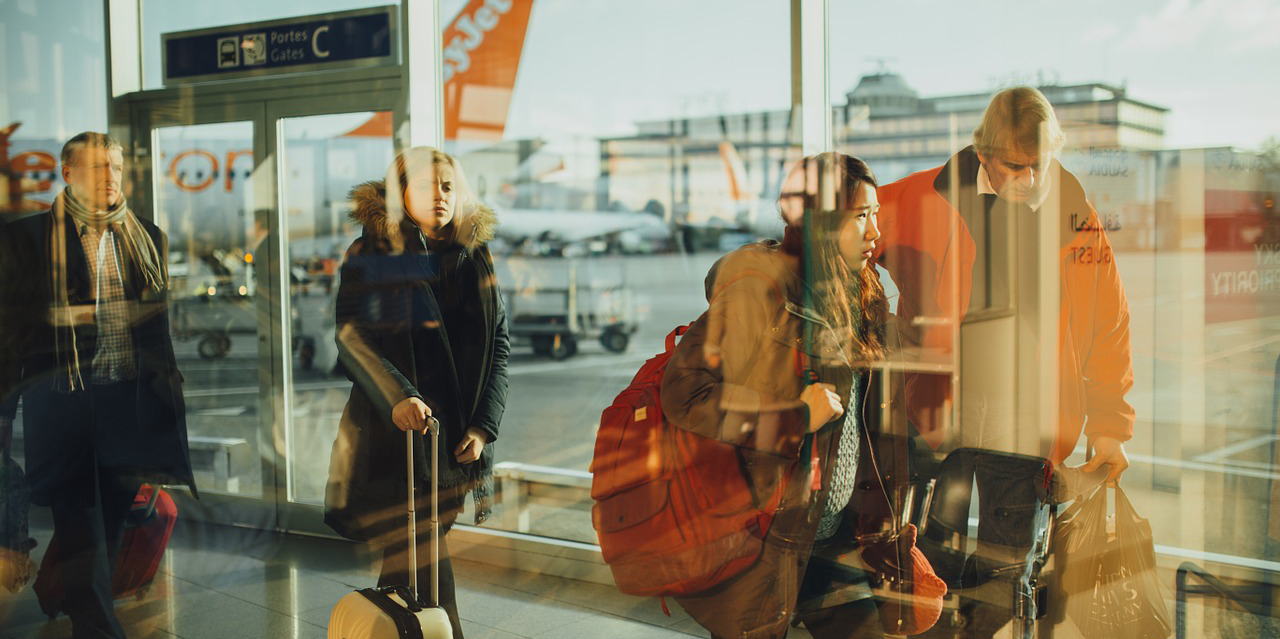
很少有人提另一个数字:大约一百万新西兰公民长期住在国外,接近每五个公民里就有一个。按比例算,很少有国家往外送这么多自己人。
他们是别人国家的移民。他们在别人的学校教书,在别人的医院照顾病人,开的公司雇的是别人的邻居。我们请别的国家接纳他们,别的国家接纳了。
保护他们的不是什么条约,是一条不成文的规矩:一个人在哪里安了家、过起了日子,那里就是他的地方,不会因为哪个政客想说句漂亮话就重新讨论一遍。
7月29日在国会里被否掉的,就是这条规矩。我们没办法一边替一百万海外同胞要这份待遇,一边不给一个七岁就来了的人。要么这条规矩对所有人算数,要么它对谁都不算数。
第二件:这么小的国家,只有一样东西值钱
新西兰几十年花了大量纳税人的钱,只经营一件事:让人相信这是个体面、开放、不惹事的地方。干净,绿色,人友善,还有点憨。世界上很多人第一次认识新西兰,是通过《指环王》——几部关于一群小个子如何收留陌生人、帮助陌生人的电影。
这不是装饰品。对一个五百万人、离哪儿都很远的国家来说,这就是基础设施。
但它也不是广告词。它是一个关于这个国家怎么对待外来者的说法,而这个说法能不能成立,靠的是人。奥克兰超过三分之一的居民出生在海外。他们接手了社区里的小超市,上医院的夜班,在Flat Bush盖房子,考了执照,交了税,然后留了下来。
他们不是这个形象要背的包袱。他们就是这个形象成立的原因。
而且他们不是自己跑来的。这个国家专门养着一个部门,工作就是到世界各地去劝人来。吸引移民是国策,一直都是。
再看另一件事。彼得斯的同僚肖恩·琼斯(Shane Jones)几个月前把印度移民形容成"黄油鸡海啸"。几个月之内,两位部长对这个国家最大的两个移民群体说了同一句话:欢迎从来都是有条件的。
一次失言不会让酒店第二天空掉。这样的口碑不会塌,它是漏的——漏在我们控制不了的外国新闻里,一点一点证明那个说法本来就没那么真。这个账户攒了三十年,没有快速补回来的办法。
总理不是没得选
有人说,拉克森动不了联合执政伙伴的党魁,硬来会拖垮政府。这话有一半是对的,而且是他全部的辩护理由。但它不是他的全部处境。
部长的任命状,是依总理的建议签发的;给谁哪个职位,由总理提请;动手的代价和不动手的代价,也由总理自己权衡。他权衡了十二天,每次都落在同一边。这不是约束他的东西,这是他反复做出的决定。
周一,动手的代价又降了一截。工党领袖希普金斯(Chris Hipkins)正式宣布,他领导的任何政府都不会与新西兰优先党合作,理由是不容忍公开的种族歧视。而彼得斯早就排除了工党。他说这没什么新鲜的,形式上他没说错,但结果是:新西兰优先党回到执政的路只剩国家党一条。一个无处可去的政党,没法拿"掀桌"来威胁人。
上周Stuff–Ideally的民调显示,54%的受访者认为应该免去彼得斯的外交部长职务,认为他该留任的是29%。
一百万新西兰人正住在别人的国家里,那些地方也可以在某一天决定,他们不过是客人。如果那边的外交部长对他们说了7月29日在这里说过的话,我们会很想知道,我们的总理会怎么讲。
他说什么,我们已经知道了。他做什么,我们也看了十二天了。
(Arthur Liu,住在奥克兰7,889,400分钟)
英文版本——
Winston Peters broke a rule. A million New Zealanders overseas depend on it.
It is now twelve days since the Foreign Minister stood up in the House and told an elected New Zealand MP to go back to his own country. Lawrence Xu-Nan arrived here in 1997, aged seven. His own country is this one.
In those twelve days the Prime Minister has done nothing. Winston Peters has not apologised. Christopher Luxon has called the remarks racist and offensive, and left him in the portfolio.
Whether an apology is owed has been argued out. I want to leave it there and make two other points, neither of which is really about migrants.
One in five New Zealanders lives somewhere else
New Zealanders are used to thinking of immigration as something that happens to us. About 28 percent of people living here were born overseas — one of the highest shares in the OECD — and we argue about that number constantly.
The figure that seldom comes up is the other one. About a million New Zealand citizens live overseas — close to one in five of us. Proportionally, few countries send more of their own people abroad.
They are somebody else's migrants. They teach in other people's schools, treat patients in other people's hospitals, build companies that employ other people's neighbours, and carry a working version of this country into rooms no trade delegation will ever reach. We ask other countries to take them, and other countries do.
They live under other governments' immigration rules, other countries' politics, and other people's patience. What protects them is not a treaty. It is a convention: that once someone has settled somewhere and built a life there, that is their place, and it is not up for review every time a politician wants an easy line.
That is the convention the Foreign Minister stood up in the House and broke. We cannot ask the world to extend it to a million New Zealanders while withholding it from a man who has lived here since he was seven. It is one rule or it is no rule.
The only asset a country this size has
New Zealand has spent decades, and a lot of public money, on a single proposition: that this is a decent, open, unthreatening place. Clean, green, friendly, faintly comic. A good deal of the world first met us through films about small people who take strangers in.
That reputation is not decoration. For five million people a long way from anywhere, it is infrastructure. It is why visitors will sit on a plane for thirty hours. It is why families in Shanghai and Mumbai send their children to Auckland rather than somewhere nearer and cheaper. It is why exporters from a country this small get meetings at all.
The remarks were reported well beyond New Zealand. But the diplomatic file is the smaller part of this, and I am not much interested in what any government thinks of us.
The reputation is not a marketing campaign. It is a claim about how this country treats people who come here, and the evidence for the claim is the people themselves. Well over a third of Aucklanders were born overseas. They took over the dairy, staffed the night shift, built the houses in Flat Bush, sat the exams, paid the tax, and stayed. They are not something the reputation has to carry. They are the reason anyone believes it in the first place. Nor did they turn up uninvited: this country runs a government department whose job is to go out into the world and persuade people to come. Attracting them is national policy, and has been for as long as anyone can remember.
That is what makes this expensive. Shane Jones, Peters' own colleague, has separately described Indian migration here as a butter chicken tsunami. Between them, in a matter of months, two ministers have told the two largest migrant communities in the country — and everybody overseas reading about it — that the welcome was always conditional.
Nobody should claim one outburst empties the hotels. Reputations like ours do not collapse; they leak — through accumulated evidence, gathered in newsrooms we do not control, that the story was never quite accurate. Each retelling is a withdrawal from an account that took thirty years to fill and that we have no quick way of refilling.
The Prime Minister has a choice
Luxon cannot discipline a coalition party leader the way he could discipline one of his own MPs. That much is true, and it is the whole of his defence. It is not the whole of his position. Ministerial warrants are still issued on the Prime Minister's advice; the portfolio is his to recommend, and the cost of moving is his to weigh against the cost of not moving. He has weighed it twelve days running and come down the same way each time. That is not a constraint operating on him. That is a decision he keeps making.
The cost of moving fell on Monday. Chris Hipkins formally ruled out any governing arrangement with NZ First, saying he would not tolerate overt racism in a government he led. Peters had already ruled out Labour. His answer is that nothing has changed, and formally he is right — but the effect is that NZ First now has exactly one road back to office, and it runs through National. A party with nowhere else to go is not in a position to threaten to leave. A Stuff-Ideally poll last week found 54 percent of respondents thought Peters should be removed from foreign affairs, against 29 percent who would leave him where he is.
A million New Zealanders are living somewhere that could decide tomorrow they are guests. If a foreign minister over there said to them what was said here on 29 July, we would want to know what our Prime Minister had to say about it.
We know what he says. We have now had twelve days to learn what he does.
(PS: Arthur Liu has lived in Auckland for 7,889,400 minutes)
相关阅读:
「滚回你自己的国家」 ——那新西兰还剩下谁?
“我绝不道歉”!新西兰外长Peters首次回应,众党魁集体切割:绝不合作!
Peters强硬拒绝道歉,绿党党魁质疑议长“双标”被逐出国会
街头抗议!新西兰外长的人偶被送上断头台“斩首”!最新大选政策戳痛华人移民!
众大佬喊话Peters下台!新西兰总理承认是“种族歧视”!但不撤职!
最新!就Peters争议言论,总理向华人社区表态!工党、绿党要求他下台!
重磅!中国大使回应Peters争议言论,前总理发出警告,网友怒斥“可耻”“令人难堪”!
惊爆!国会爆发激烈冲突,Winston Peters叫华人议员“滚回自己的国家”!
注:本文为新西兰中文先驱网编译/原创,欢迎转发分享;但严禁复制等未经授权的非法使用。违反上述声明者,本网将追究其相关法律责任。使用授权请联系news@chnet.co.nz。
(责编:twinkle)
chineseherald.co.nz All Rights Reserved 版权所有